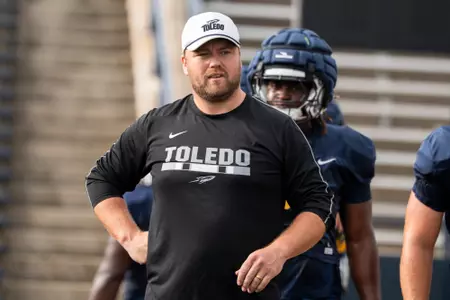
Coaching football was not at the top of Jimmy Long's to-do list.
Photo by: Bree Bee
Jimmy Long’s Journey From All-American to Toledo D-Line Coach
8/25/2026 10:00:00 AM | Football
After one semester away from football, Long came crawling back to the sport
TOLEDO, Ohio - Jimmy Long never planned to be a football coach.
As a standout defensive lineman at Lenoir-Rhyne, Long mapped out a future in medicine. He took the demanding pre-med course load, worked as a pharmacy technician and expected dental or medical school to be the next step after graduation.
Instead, football kept calling him back.
"It was one semester," said Long, discussing his time away from the game. "Football's gone, and it's like, 'Oh man, this is different.' I missed it badly."
That realization launched a coaching career that has steadily built a reputation for developing dominant defensive linemen — one that eventually brought him to Toledo as defensive line coach under first-year head coach Mike Jacobs.
"Jimmy has been instrumental to our success over the years," said Jacobs. "He is elite at identifying players who fit our scheme, and then I believe he is the best in the country at developing those players. He has had multiple all-conference players, conference players of the year and All-Americans."
Long's own football journey was anything but ordinary.
A Northern Virginia native, he earned All-Met honors before signing with Lenoir-Rhyne after a coaching change at Virginia altered his original plans to walk on there. As a freshman, his career nearly ended before it truly began when he fractured his neck in the final game of the season.
After months in a neck brace and evaluations from specialists, Long received reassuring news. The injury had healed in a way that did not place him at greater risk than any other player. He returned to the field wearing a protective neck roll for two seasons before finally removing it as a senior. That final season became the best of his career.
Long earned All-American honors while helping lead Lenoir-Rhyne to its third consecutive conference title and an appearance in the NCAA Division II championship game.
His coaches redirected the future.
"They were always like, 'You'd make a heck of a coach,'" said Long. "If they ever had to leave the room, I'd be demonstrating drills or running drills. I just didn't know if I wanted to do that."
When the coaching staff accepted jobs at The Citadel, they offered Long an opportunity to join them as a quality control assistant.
He accepted.
Working primarily with special teams, Long immersed himself in game planning and the behind-the-scenes details of coaching. He later spent time at Sewanee before receiving an opportunity at NC State.
"A lot of my teaching is based on my time there," said Long.
He returned to Lenoir-Rhyne, which experienced a dramatic turnaround, with Long's defensive line leading one of the nation's most improved pass rushes. Lenoir-Rhyne returned to national prominence, producing conference standouts, a national player of the year (defensive end Jaquan Artis) and deep playoff runs.
That success continued when Long followed head coach Drew Cronic to Mercer.
Over several seasons, the Bears transformed into one of the Southern Conference's top programs. Long developed multiple conference defensive players of the year, sent five defensive linemen to the FBS level and watched approximately three-quarters of his starters earn all-conference recognition.
For Long, those accomplishments matter less than seeing players maximize their potential.
"It's rewarding when you yourself get a sack," he said. "But when you see guys that you've coached and helped develop do it exactly like it's being taught and having success doing it, that's even more gratifying."
That player-first mindset also explains why Long has remained alongside Jacobs.
When Jacobs took over at Mercer following Cronic's departure, Long's future was uncertain despite one of the best seasons of his coaching career. Instead of replacing him, Jacobs retained him. The partnership has only grown stronger.
Long credits Jacobs for empowering his assistants, emphasizing offensive and defensive line play and building staffs that genuinely enjoy working together.
"He gives you the power to do everything you possibly can to make the players better," Long said. "He gives you the resources that you need to be successful."
Now, both coaches have arrived at Toledo with an opportunity unlike the rebuilding jobs they've inherited before.
At Lenoir-Rhyne and Mercer, Long joined programs searching for consistent success. Toledo presents a different challenge: sustaining — and elevating — a championship standard that has already been established.
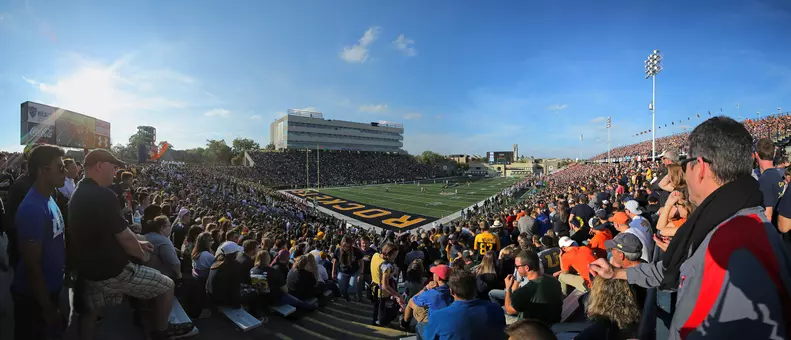
"To go to a place like Toledo where they've consistently won for many years, where they have a great fan base and just the history, that's a blessing," said Long. "My job is to make it even better, continue to increase that winning success and the standard of which our D-line plays."
Long believes he ended up exactly where he was supposed to be, as the future doctor became a teacher instead.
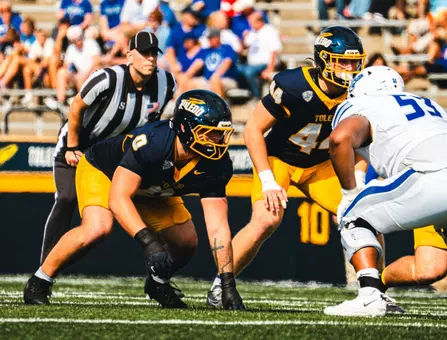
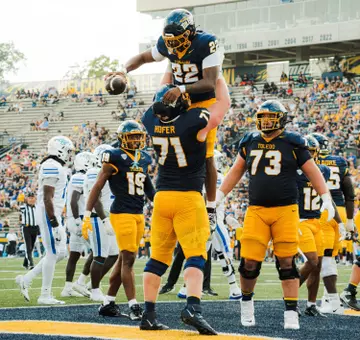
Now his classroom is the defensive line room, his lessons are measured in sacks instead of exams and the greatest reward comes every Saturday (or Wednesday or Friday) when one of his players makes the play he spent months preparing them to make.
As a standout defensive lineman at Lenoir-Rhyne, Long mapped out a future in medicine. He took the demanding pre-med course load, worked as a pharmacy technician and expected dental or medical school to be the next step after graduation.
Instead, football kept calling him back.
"It was one semester," said Long, discussing his time away from the game. "Football's gone, and it's like, 'Oh man, this is different.' I missed it badly."
That realization launched a coaching career that has steadily built a reputation for developing dominant defensive linemen — one that eventually brought him to Toledo as defensive line coach under first-year head coach Mike Jacobs.
"Jimmy has been instrumental to our success over the years," said Jacobs. "He is elite at identifying players who fit our scheme, and then I believe he is the best in the country at developing those players. He has had multiple all-conference players, conference players of the year and All-Americans."
Long's own football journey was anything but ordinary.
A Northern Virginia native, he earned All-Met honors before signing with Lenoir-Rhyne after a coaching change at Virginia altered his original plans to walk on there. As a freshman, his career nearly ended before it truly began when he fractured his neck in the final game of the season.
After months in a neck brace and evaluations from specialists, Long received reassuring news. The injury had healed in a way that did not place him at greater risk than any other player. He returned to the field wearing a protective neck roll for two seasons before finally removing it as a senior. That final season became the best of his career.
Long earned All-American honors while helping lead Lenoir-Rhyne to its third consecutive conference title and an appearance in the NCAA Division II championship game.
His coaches redirected the future.
"They were always like, 'You'd make a heck of a coach,'" said Long. "If they ever had to leave the room, I'd be demonstrating drills or running drills. I just didn't know if I wanted to do that."
When the coaching staff accepted jobs at The Citadel, they offered Long an opportunity to join them as a quality control assistant.
He accepted.
Working primarily with special teams, Long immersed himself in game planning and the behind-the-scenes details of coaching. He later spent time at Sewanee before receiving an opportunity at NC State.
"A lot of my teaching is based on my time there," said Long.
He returned to Lenoir-Rhyne, which experienced a dramatic turnaround, with Long's defensive line leading one of the nation's most improved pass rushes. Lenoir-Rhyne returned to national prominence, producing conference standouts, a national player of the year (defensive end Jaquan Artis) and deep playoff runs.
That success continued when Long followed head coach Drew Cronic to Mercer.
Over several seasons, the Bears transformed into one of the Southern Conference's top programs. Long developed multiple conference defensive players of the year, sent five defensive linemen to the FBS level and watched approximately three-quarters of his starters earn all-conference recognition.
For Long, those accomplishments matter less than seeing players maximize their potential.
"It's rewarding when you yourself get a sack," he said. "But when you see guys that you've coached and helped develop do it exactly like it's being taught and having success doing it, that's even more gratifying."
That player-first mindset also explains why Long has remained alongside Jacobs.
When Jacobs took over at Mercer following Cronic's departure, Long's future was uncertain despite one of the best seasons of his coaching career. Instead of replacing him, Jacobs retained him. The partnership has only grown stronger.
Long credits Jacobs for empowering his assistants, emphasizing offensive and defensive line play and building staffs that genuinely enjoy working together.
"He gives you the power to do everything you possibly can to make the players better," Long said. "He gives you the resources that you need to be successful."
Now, both coaches have arrived at Toledo with an opportunity unlike the rebuilding jobs they've inherited before.
At Lenoir-Rhyne and Mercer, Long joined programs searching for consistent success. Toledo presents a different challenge: sustaining — and elevating — a championship standard that has already been established.
"To go to a place like Toledo where they've consistently won for many years, where they have a great fan base and just the history, that's a blessing," said Long. "My job is to make it even better, continue to increase that winning success and the standard of which our D-line plays."
Long believes he ended up exactly where he was supposed to be, as the future doctor became a teacher instead.
Now his classroom is the defensive line room, his lessons are measured in sacks instead of exams and the greatest reward comes every Saturday (or Wednesday or Friday) when one of his players makes the play he spent months preparing them to make.

Sunday, September 13
Monday, September 07
Monday, August 31
Wednesday, February 04